


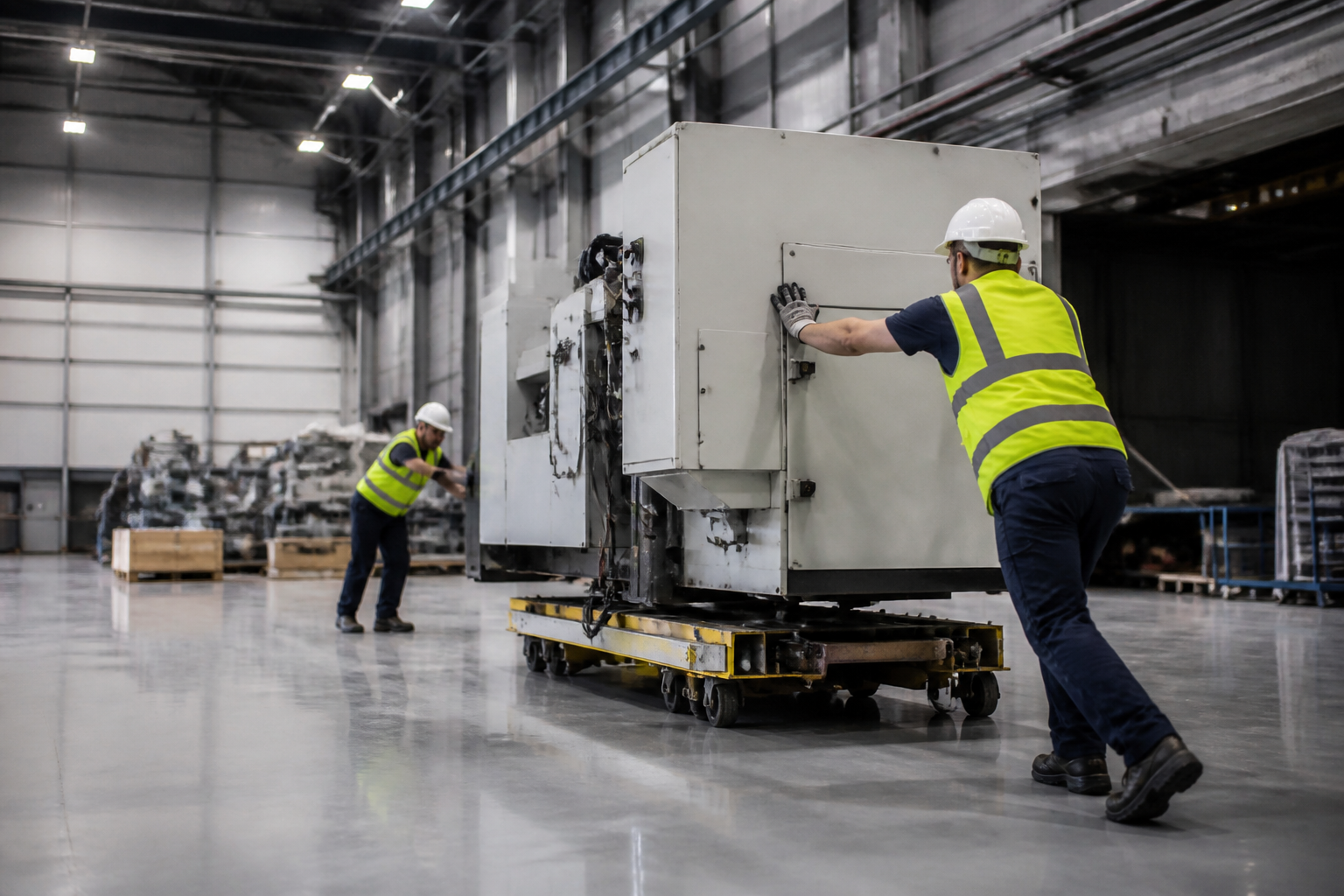
Mastering Industrial Moves: Best Practices Guide
Mastering Industrial Moves: Best Practices Guide
Industrial moving is a complex endeavor requiring meticulous planning, specialized equipment, and expert execution. This comprehensive guide explores the best practices to ensure a successful and stress-free industrial move.
Understanding Industrial Moving Complexities
Industrial moves involve relocating large-scale machinery, equipment, and sometimes entire production lines. Understanding the unique challenges of these moves is crucial for minimizing downtime and ensuring safety.
Key Challenges in Industrial Moving
- Logistics Coordination: Industrial moves often require coordinating multiple teams, equipment, and timelines.
- Safety Compliance: Adhering to safety regulations is paramount to prevent accidents and injuries.
- Equipment Handling: Specialized tools and trained personnel are needed for handling heavy machinery.
Pre-Move Planning: The Blueprint for Success
Effective planning is the cornerstone of a successful industrial move. Detailed preparation helps anticipate potential issues and streamline the moving process.
Creating a Detailed Moving Plan
- Site Survey: Conduct a thorough assessment of the current and new locations to identify challenges.
- Inventory Management: Compile a comprehensive list of all items to be moved, including specifications and handling requirements.
- Timeline Development: Establish a realistic timeline that accounts for each phase of the move.
Assembling the Right Team
- Project Manager: Appoint a dedicated manager to oversee the move and coordinate between teams.
- Specialized Movers: Hire professionals experienced in industrial moving to handle equipment safely.
- Safety Officer: Ensure compliance with safety standards and protocols.
Equipment and Machinery Handling: Ensuring Safety and Efficiency
Proper handling of equipment and machinery is crucial to avoid damage and ensure the safety of personnel.
Best Practices for Equipment Handling
- Use of Specialized Equipment: Employ cranes, forklifts, and rigging tools for safe lifting and transport.
- Securing Loads: Ensure all items are securely fastened to prevent shifting during transit.
- Personnel Training: Provide comprehensive training for personnel on equipment operation and safety procedures.
Transportation Logistics: Moving with Precision
Efficient transportation is vital to minimize downtime and ensure timely delivery to the new location.
Selecting the Right Transport
- Vehicle Selection: Choose vehicles equipped to handle heavy and oversized loads.
- Route Planning: Map out the most efficient routes, considering road restrictions and potential obstacles.
Ensuring Safe Transit
- Regular Inspections: Conduct thorough inspections of vehicles and equipment before departure.
- Real-Time Monitoring: Utilize GPS tracking to monitor the move and address any issues promptly.
Post-Move Evaluation: Ensuring a Smooth Transition
After the move, evaluating the process and ensuring everything is operational is critical for a successful transition.
Conducting a Post-Move Assessment
- Inventory Check: Verify that all items have arrived safely and are in working condition.
- Operational Testing: Test equipment and machinery to ensure they are functioning correctly.
- Feedback Collection: Gather feedback from team members to identify areas for improvement.
Partnering with Professionals: The Ottawa Best Movers Advantage
Choosing the right moving partner can make all the difference. Ottawa Best Movers offers expert moving services with a commitment to safety, transparency, and quality.
Why Choose Ottawa Best Movers?
- Proven Expertise: Over 12 years of experience in handling complex industrial moves.
- Transparent Pricing: We offer transparent pricing with no hidden fees.
- Customer Satisfaction: Our customer-focused approach ensures a seamless moving experience.
Conclusion: Achieving Industrial Moving Success
Implementing these best practices ensures a smooth, efficient, and safe industrial move. By partnering with experienced professionals like Ottawa Best Movers, you can minimize disruptions and maximize productivity.
Frequently Asked Questions
How do you prepare for an industrial move?
Preparation involves a detailed site survey, inventory management, and assembling a specialized moving team.
What equipment is essential for industrial moving?
Essential equipment includes cranes, forklifts, and rigging tools for safe handling of heavy machinery.
Why choose Ottawa Best Movers for industrial moves?
With over 12 years of experience, Ottawa Best Movers offers expert service, transparent pricing, and a customer-focused approach.


